Hydrofy
- Industry
- CleanTech • Zero Emission Mobility • Hydrogen
- Product
- Zero-Emission Fleet Planning Platform
- My Role
- UI/UX Designer
- Team
- Matthias Müllner (Founder & CEO)
Kristian Sebbesen (Developer)
Timo Luick (CTO)
Granit Mavraj (Backend Developer)
Nadja Kohlberger (UI/UX Designer) - Skills
- Product Discovery, Information Architecture, Design Systems, UI/UX Design
- Tools
- Figma
- Miro
- Microsoft Teams
- PowerPoint
- Platform
- Web Application
- Status
- First MVP Delivered
MVP for a Zero-Emission Fleet Planning Platform
Hydrofy was created to make zero-emission fleet planning easier. Working closely with the founder, I helped turn an ambitious idea into the first MVP.
Opportunity
Europe is investing heavily in zero-emission transport, but switching commercial fleets away from diesel is anything but simple. Companies need to compare fossil-based vehicles with battery-electric and hydrogen vehicles, understand infrastructure availability, estimate operating costs and make long-term investment decisions.
Hydrofy was created to make that process easier. The idea was to build a platform where fleet operators, vehicle manufacturers and energy providers could work from the same data instead of making decisions in isolation.
I joined the project before there was a product. Working closely with the founder, I helped turn an ambitious idea into the first MVP.
Challenge
Starting with a blank canvas meant there was no design system and no established user flows. Before designing screens, we first had to understand how different users would approach the platform and what information they needed to make confident decisions.
The domain itself added another layer of complexity. Hydrogen mobility, charging infrastructure and fleet economics are specialised topics, but the product couldn’t feel like engineering software. Our goal was to make complex planning feel approachable without hiding the details professionals rely on.
Solution
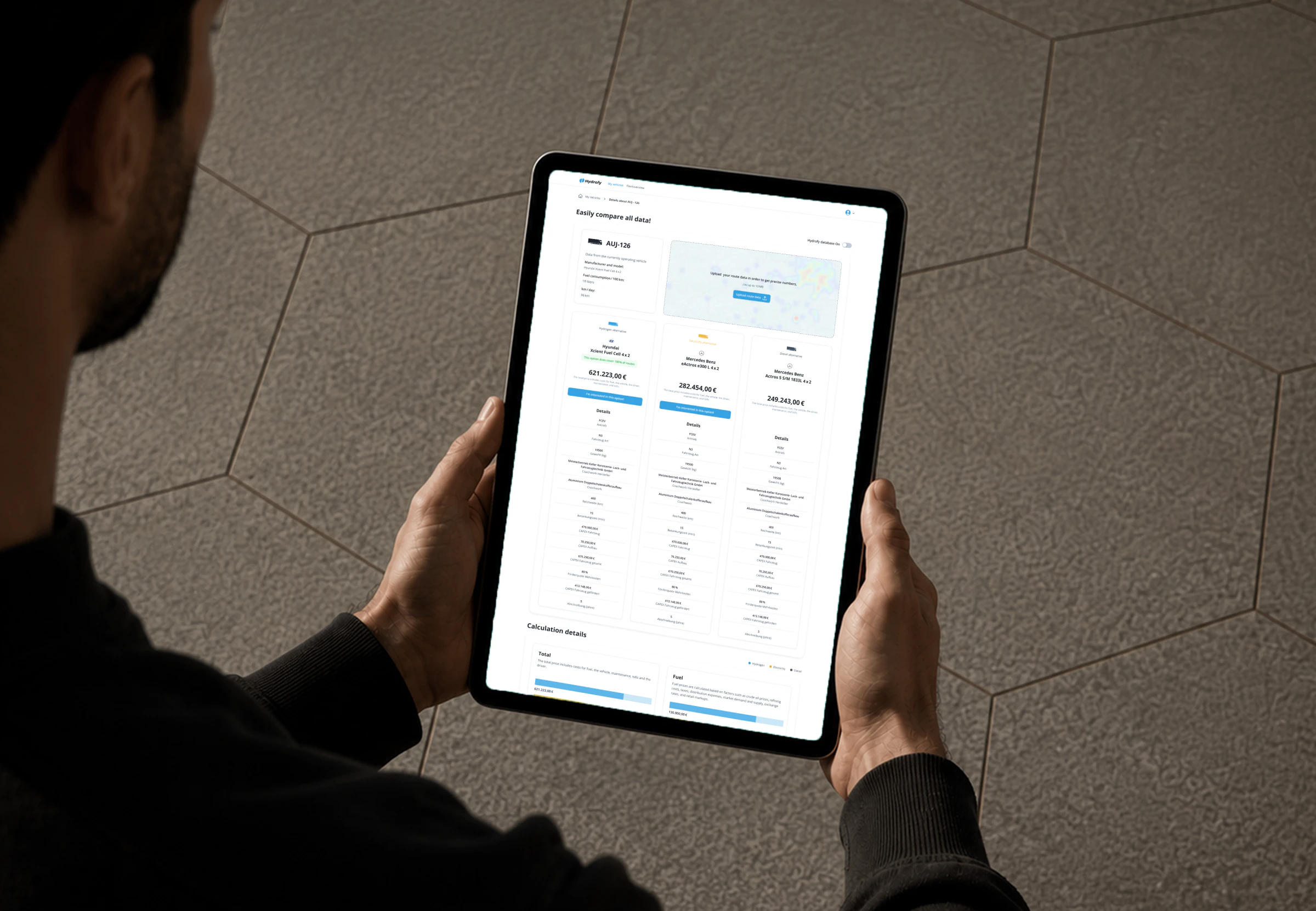
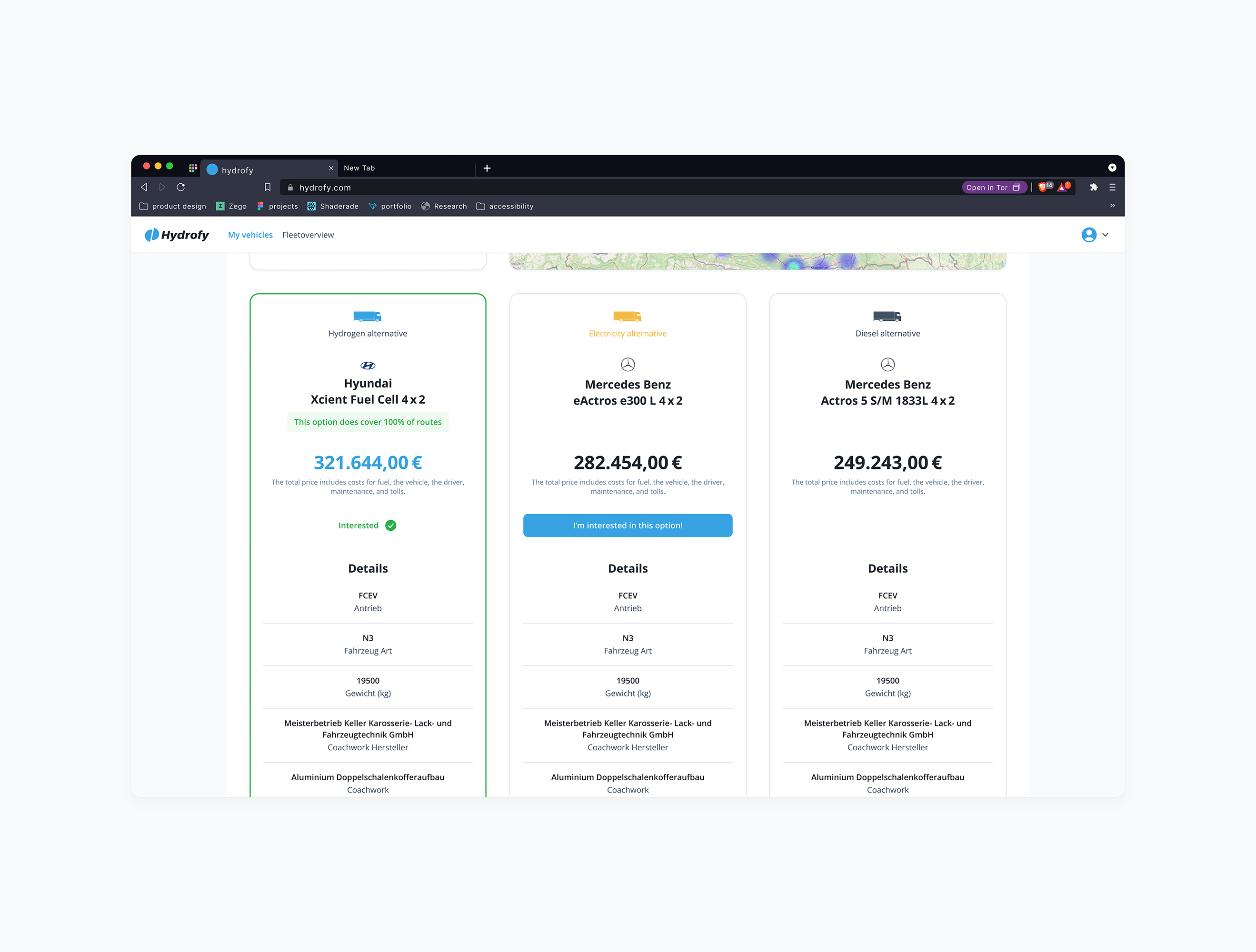
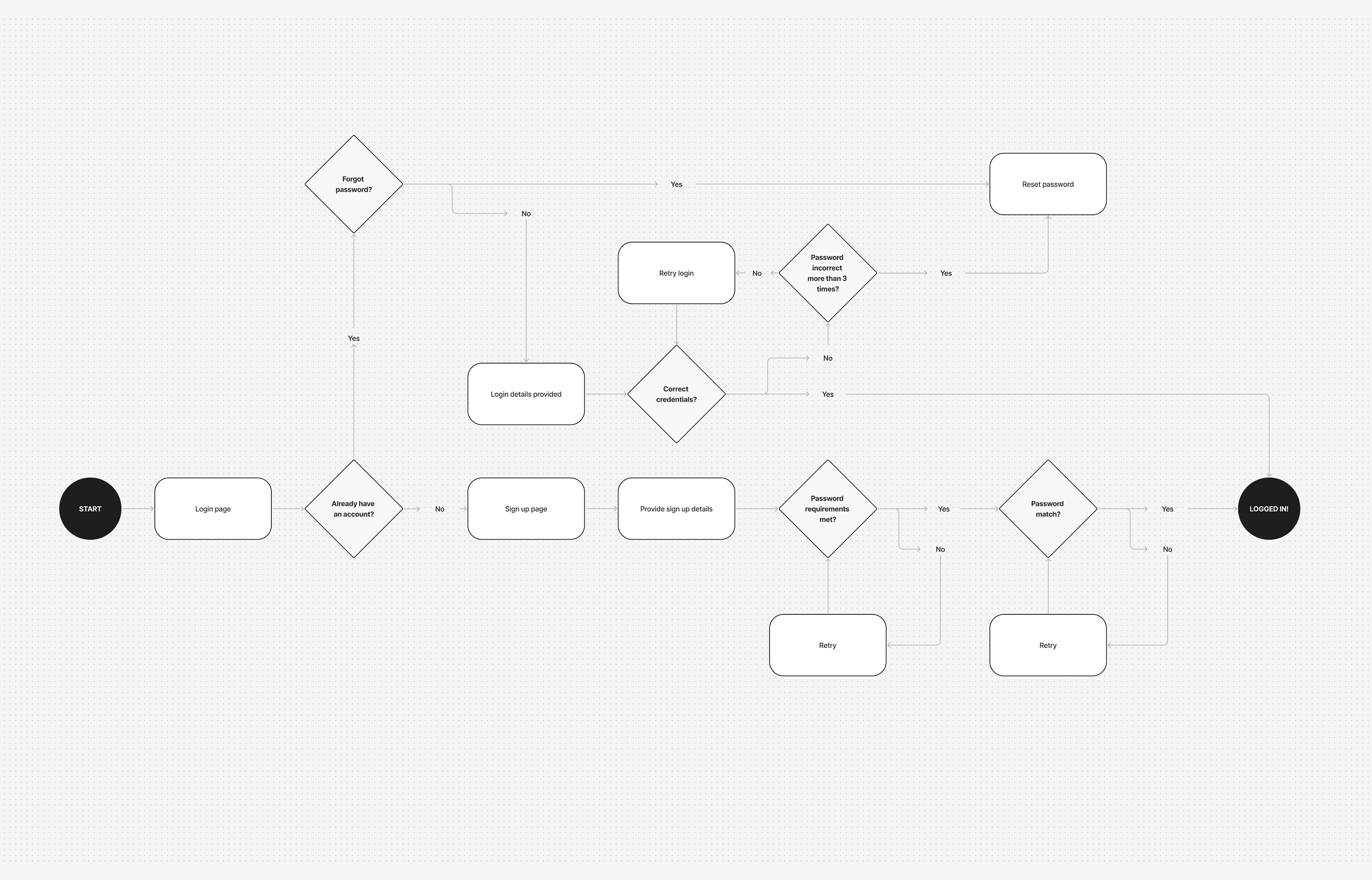
Working closely with the founder, I translated business ideas into user journeys, wireframes and first UIs. Together we explored how fleet operators, manufacturers and energy providers would use the platform and identified the features that delivered the most value for an MVP.
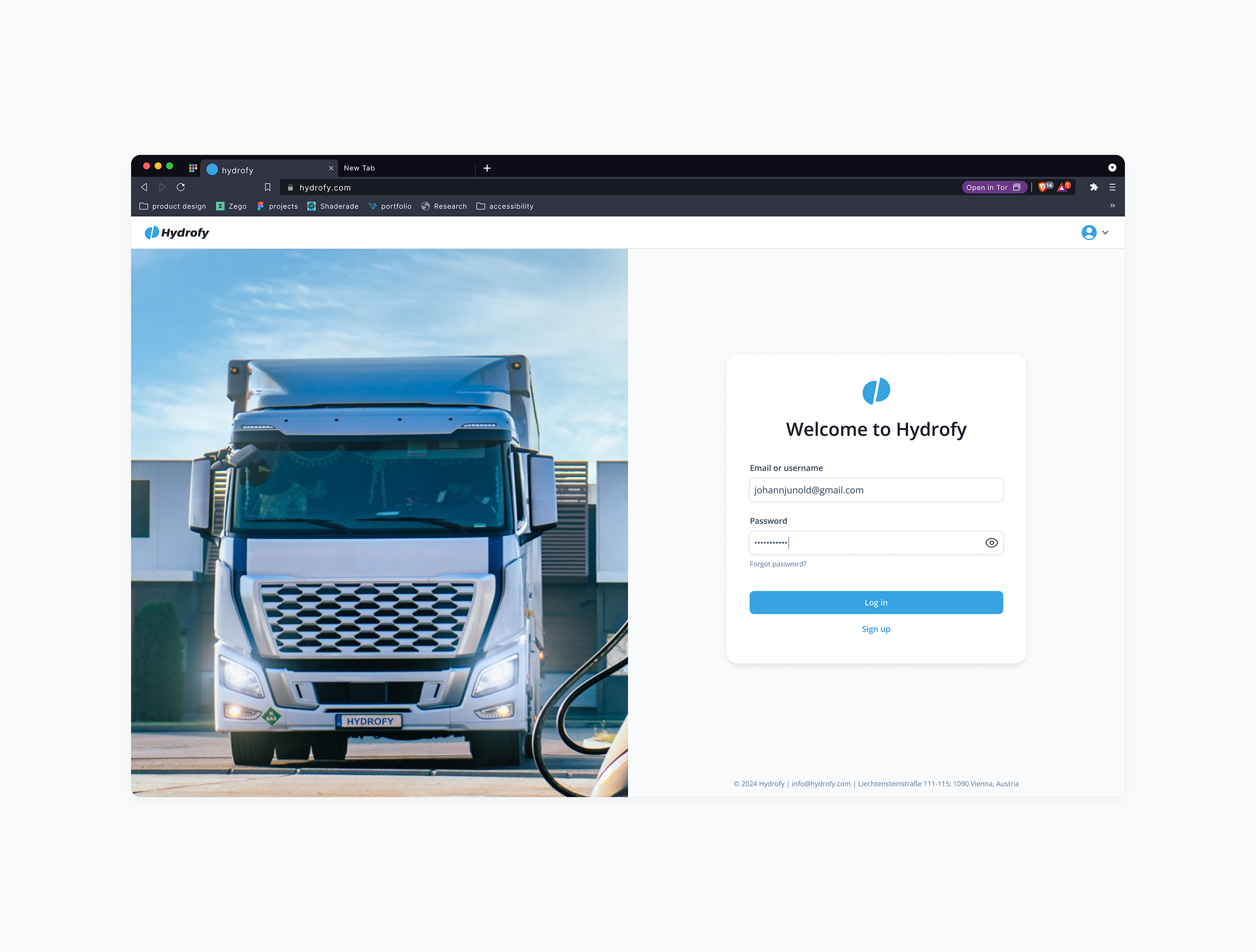
As the product evolved, I designed the first user interface, established an initial design system and created visual assets that were used both during product development and in investor presentations. Building these foundations early made it easier to keep the product consistent as development progressed.
Contribution
As the first Designer on the project, my responsibilities included:
- Product Discovery
- User Flows
- Information-Architecture
- Wireframing
- Design System
- UI Design
- Pitch Deck Design
- Collaboration with the founder and engineering team
Reflection
Hydrofy showed me how important it is to create clarity before creating interfaces.
Working in a highly technical domain meant asking a lot of questions before opening Figma. Every design decision depended on understanding the business, the technology and the people who would eventually use the platform. That experience strengthened my ability to work closely with founders, simplify complex products and design solid foundations for future growth.
Next project
Keep exploring work
imd BIOTECH